
Chicago Spinal Cord Injury Attorney
PRACTICE AREAS
A Chicago spinal cord injury attorney at Curcio & Casciato represents injured people across Illinois who have suffered injuries, such as paralysis, vertebral fractures, and other serious back injuries, because of someone else’s negligence. If a car accident, motorcycle collision, slip and fall, or work-related accident resulted in a serious spine or back injury, you don’t have to pursue legal action alone.
Cook County averages around 2,697 crashes that cause incapacitating injuries annually, and the lifetime cost of these personal injuries can exceed what any family is able to absorb. Our Chicago spinal cord injury lawyers work on a contingency-fee basis. We offer free consultations, and victims pay nothing unless we recover compensation for you.
To schedule a free consultation, contact a spinal cord injury lawyer online or call 312-321-1111.
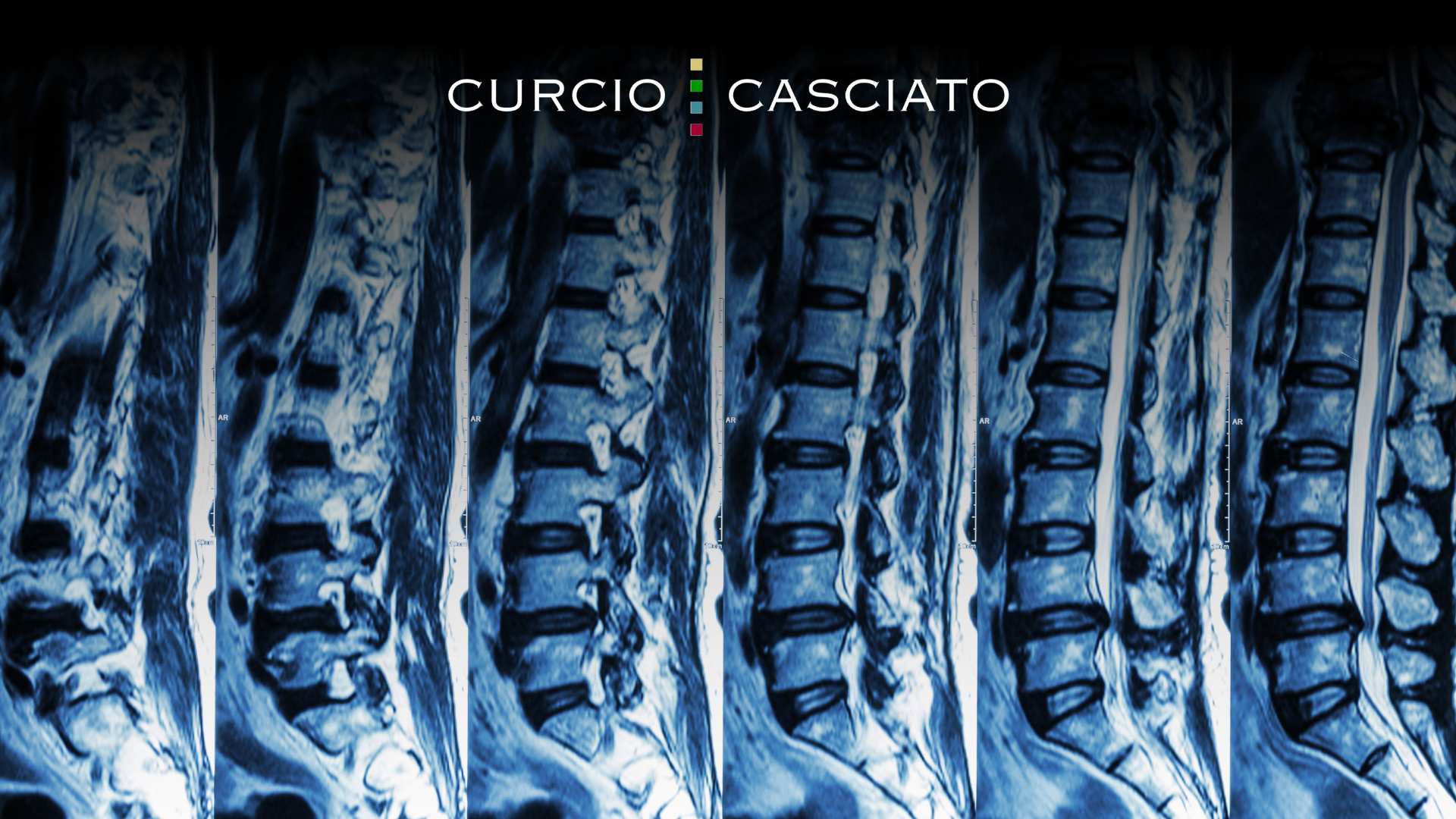
When to Hire a Chicago Spinal Cord Injury Lawyer
Victims should consider hiring a Chicago spinal cord injury lawyer quickly, ideally before speaking to insurance adjusters. Timing matters more than most families realize. We can build more compelling cases before insurance companies secure recorded statements that minimize the full extent of burdens throughout victims’ lives.
The average first-year costs for spinal cord injuries range from $347,484 to $1,064,716, and Illinois law gives injured individuals the right to take legal action.
If you were harmed by another person’s negligence, we can discuss your legal options. A Chicago back injury lawyer will take over communications with insurance companies before they pressure clients to settle for less than they deserve.
We do what family members can’t accomplish alone. Strong spinal cord injury claims often require collaboration with medical experts. Our law firm works with them to investigate how spinal cord injuries occur, identify all responsible parties, and demonstrate what the long-term effects are truly worth, including reduced quality of life, potential depression, and other problems resulting from these devastating accidents. Then, we negotiate with insurance companies to secure fair compensation.
We litigate regularly and have the trial experience to take spinal cord injury cases to court when clients aren’t offered fair settlements, fighting to protect their legal rights at every stage.
When you’re ready to talk, call 312-321-111 for a free consultation.
Common Types of Spinal Cord Injuries Our Law Firm Handles
Complete vs Incomplete Spinal Cord Injury
Complete spinal cord injury and incomplete spinal cord injury are the two types of injuries occurring on the spinal column. Function and movement below the site determine which type of spine injury the individual experiences.
- Complete spinal cord injuries typically indicate more severe damage to the central nervous system, with no movement or physical sensation crossing the point of trauma. This type of injury includes tetraplegia, paraplegia, and triplegia.
- Incomplete spinal cord injury: Individuals retain some level of function below the site with potential for recovery, making aggressive physical therapy crucial for incomplete spinal cord injury victims.
Cervical Spine Injury (C1-C8) & Quadriplegia (Tetraplegia)
Cervical spine injuries sit highest on the spine and are the most severe, affecting all four limbs. Small differences matter enormously. The gap between C5 and C6 injuries alone can separate near-total dependence from functional independence.
- C1–C3 injury: Total paralysis (tetraplegia), with ventilator dependence for breathing and full-time support for daily life.
- C4 injury: Significant breathing difficulty that may require a ventilator, along with near-total dependence for daily activities.
- C5 injury: Usually able to breathe independently, with retained shoulder and biceps function; bladder and bowel control may be limited.
- C6 injury: Individuals can often propel a wheelchair and help with daily activities.
- C7-C8 injury: C7 is the threshold for independence; triceps and arm extension apply; C8 adds finer hand and finger function.
Thoracic Spine Injury (T1-T12), Lumbar Spine Injury (L1-L5) & Paraplegia
Thoracic spine injuries include:
- T1–T6 injury: Full arm and hand function; individuals require wheelchairs.
- T7–T12 injury: Improved trunk control and balance.
Lumbar spine injuries include:
- L1–L3 injury: Loss of most hip and leg function; braces and walkers are required for short walks; bladder and bowel control are limited.
- L4–L5 injury: More lower-leg function, often allowing greater walking ability with minimal assistance.
Sacral Spine Injury (S1–S5)
Sacral spine injuries commonly hinder bladder, bowel, and sexual function, though many people still have the ability to walk.
Triplegia
Triplegia (when a person suffers paralysis of three limbs) is associated with brain or spinal cord damage that happens after traumatic events, strokes, infections, or severe birth injuries. These spine injuries require lifelong care, rehabilitation, and assistive devices.
Cauda Equina Syndrome
Cauda equina syndrome results from nerve pressure lower on the spinal column, often leading to intense pain and numbness. Some suffer paralysis without immediate treatment. If you’ve suffered due to misdiagnosis, delayed diagnosis, or other forms of negligence, a Chicago cauda equina lawyer can help pursue compensation and justice.

Common Cases Our Chicago Back Injury Lawyer Team Handles
Herniated & Bulging Discs
Herniated and bulging discs happen when the soft cushion between two vertebrae shifts or ruptures, pressing on nearby nerves and resulting in great pain, numbness, or weakeness down the individual’s arms or legs. Insurers often dismiss personal injury claims for radiculopathy or neuropathy as pre-existing or minor. Our Chicago spinal cord injury lawyer team works with medical professionals to connect bulging or herniated discs to accidents and seeks the compensation you deserve for expensive medical care, lost wages, and other expenses.
Vertebral Fractures
A vertebral fracture, a broken bone in the spine, is one of the most severe back injuries. There are several different types of spine fractures, including compression, burst, flexion-distraction, and fracture-dislocation, each carrying its own risk. Medical treatment for accident-related fractures in the Chicago area can range from bracing to spinal fusion. The long-term effects of fractured vertebrae can include chronic pain, reduced mobility, and progressive spinal deformity. Our spinal cord injury attorneys build compelling cases with detailed proof of current and future needs.
Spinal Stenosis & Nerve Damage
Spinal stenosis compresses the cord and nerves, producing chronic pain, tingling, and loss of function. A traumatic event can trigger new stenosis or rapidly worsen a previous condition. Our Chicago spinal cord injury lawyers know that insurers lean into the “degenerative” label to deny these personal injury claims, and we have vast experience fighting back.
Whiplash & Soft Tissue Back Injuries
Whiplash strains the muscles, ligaments, and tendons supporting the spine. Insurers often aggressively minimize whiplash injury claims in Chicago. Our spinal cord injury lawyers document the effects on the victim’s life through treatment records, physical therapy notes, and physician opinions, so genuine pain and suffering in the muscles and ligaments isn’t brushed off with a lowball offer.
Most Common Causes of Spinal Cord Injury & Back Injury Cases In The Chicago Area
Motor Vehicle Accidents & Pedestrian Strikes
High-speed collisions, particularly involving truck accidents on the Dan Ryan, Kennedy, and I-290, are a leading cause of devastating spinal injuries. In pedestrian strikes and CTA stops, there’s nothing to absorb impact, a risk our passenger and pedestrian accident cases in Chicago address directly. Our Chicago bike accident claims team sees the same risks in bicycle collisions: spinal cord injuries occurring from door-zone crashes and unprotected-lane accidents. Additionally, because CTA bus accidents typically name a transit-authority defendant, our Chicago back injury lawyers accommodate for potentially shortened notice deadlines.
Gun Violence & Penetrating Trauma
At major Cook County hospitals like Stroger Hospital or UChicago Medicine, the influx of firearm-related spinal cord injury cases outweighs the number of highway rollovers. Claims for gunshot wounds in Chicago must account for how the complete spinal cord injury will affect the rest of the victim’s life. If you’ve suffered spinal cord injuries or other types of injury in a Chicago nightclub or bar shooting, our personal injury lawyers can help determine if filing a negligent security claim is appropriate to recover compensation.
Slip and Fall Accidents: Premises Liability
Like the rest of the state, slip and fall incidents are common causes of spinal cord damage, particularly for Chicagoans over 65. Our back injury lawyers handle many cases involving:
- injuries from falling down stairs in Chicago
- falling on Chicago train platforms
- falling down outdoor staircases in Chicago apartments
- fall incidents on city sidewalks
- Airbnb & VRBO falls in Chicago
Fall impacts can result in significant spinal damage. If you were injured in a slip-and-fall in Chicago, whether as a resident or tourist, a spinal cord injury lawyer can help determine the best course of action for seeking compensation.
Back Injury At Work Claim: Construction Site Accidents & Other Workplace Incidents
The most common causes of spinal cord injuries in Chicago construction accident claims include:
- Walkway and scaffolding collapses in Chicago: Lumbar vertebral bursting fractures, immediate paraplegia, or severed spinal cords.
- Defective or improperly maintained equipment (forklifts, cranes, hydraulic presses): Severe spinal compression, herniated discs requiring fusion, or complete paralysis from being crushed. Can lead to a product liability claim against the manufacturer.
- Crane, rigging, and hoist failure accidents in Chicago: Cervical and thoracic spinal cord transection, resulting in permanent quadriplegia or paraplegia.
- Negligent construction site cleanup: Coccyx fractures, slipped discs, or severe bruising.
Other Chicago workplace accident claims we handle include:
- Unmarked floor openings & trench collapses
- Loading dock & commercial vehicle struck-by accidents
Injured workers may be entitled to significant compensation through third-party claims. Contact a Chicago back injury lawyer for a free consultation to discuss your legal options.
Diving Accidents (Lake Michigan, Pools & Quarries)
Diving accidents are leading causes of cervical spine injuries. A head-first impact concentrates enormous force directly onto the cervical vertebrae. Swimming pool accident injuries in Chicago can target negligent supervision at summer camps, unseen dangers at hotels, landlord negligence at apartment complexes, and missing signs at public facilities. Additionally, our Chicago spinal cord injury lawyers often assist with personal injury lawsuits stemming from accidents at Lake Michigan and local quarries.
Spinal Cord Injury Malpractice
Some spine injuries result from negligence during medical treatment. Chiropractor malpractice in the Chicago area arises when forceful cervical manipulation causes vertebral artery dissection, disc herniation, or direct spinal cord damage.
Surgical errors in Chicago can include misplaced hardware, wrong-level spinal surgery, excessive traction, or a missed post-operative complication like a hematoma. Both types of injury cases require testimony from expert medical professionals to establish fault. A Chicago spinal cord injury lawyer from our team can help fight for the financial compensation you deserve.
Spinal Injury Compensation in Illinois: Addressing the Total Financial Impact & Severity of the Injury
Cost of Spine Surgery
These figures cover the operation alone, before imaging, anesthesia, hospital stays, rehab, or years of follow-up care.
Procedure | Average Cost | Range | Notes |
|---|---|---|---|
Decompression (discectomy, laminectomy, foraminotomy) | ~$23,500 | $15,000–$35,000+ | Varies by procedure and setting |
Stabilization & Spinal Fusion | $80,000–$150,000 | — | Most expensive procedure |
Disc Replacement (facet joint/artificial disc) | ~$30,000 | $20,000–$70,000 | Depends on the cervical vs. lumbar level and the number of levels treated |
Vertebral Augmentation (cement repair) | $12,700 (vertebroplasty) / $15,300 (kyphoplasty) | — | Least costly option |
Average Settlement for Spinal Cord Injury
There isn’t an “average” catastrophic or permanent injury settlement amount in Illinois. Any lawyer quoting one is guessing. Value depends on:
- Injury severity and completeness: an incomplete spinal cord injury requires less than cervical paralysis
- Lifelong care expenses: around-the-clock care, home/vehicle modifications, adaptive equipment, decades of treatment
- Lost income: current wages plus permanently reduced earning capacity
Calculating expensive medical care is difficult. Because future expenses are easy to underestimate, we work with expert planners and economists to ensure we’re demanding the maximum compensation possible.
Workers’ Comp Settlement for Back Injuries & When to File a Third-Party Claim
Workplace accident cases typically begin with workers’ compensation claims in Chicago:
- No-fault system: you don’t need to prove employer fault to get medical coverage and disability benefits
- Settlement factors: lost wages, degree of permanent impairment, and effect on work ability
- What benefits don’t cover: pain and suffering or total lost income
When to file a third-party claim: if someone other than your employer caused the harm, a negligent driver, a defective machine’s maker, or an unsafe property owner, you can pursue a third-party workplace injury claim in Chicago alongside workers’ compensation benefits. We evaluate both so nothing is left on the table.

Chicago Spinal Cord Injury & Back Injury Claims Process
Medical Evidence & Life Care Plans
Back injury and spine injury cases are won on documentation, not description. Your medical record is the foundation. However, past medical bills aren’t enough, because the largest expenses are still ahead.
Our life care plans are expert projections of every lifetime expense clients incurr:
- Future surgeries, therapy, and medications
- Adaptive equipment and in-home care
- Home and vehicle modifications
It converts decades of need into a documented, defensible number an insurer can’t wave away with a lowball offer.
Pre-Existing Conditions & the Eggshell Plaintiff Rule
After many accidents, insurers argue the spine was already injured beforehand. It catches victims off guard, but not experienced attorneys.
Illinois law forecloses that defense. Under the eggshell plaintiff rule, a negligent party must take the injured person as they find them: if the accident aggravated or accelerated a pre-existing condition, the defendant is liable for that worsening.
Illinois Deadline for Filing Back & Spinal Cord Injury Claims
Under Illinois law, you generally have two years from the date of injury to file most personal injury lawsuits. Two nuances matter for spinal injuries:
- The discovery rule: the deadline can start later when the injury couldn’t reasonably have been known at the time, which applies when serious spinal damage isn’t diagnosed until later.
- The government exception: if your action involves the City of Chicago, the CTA, or another government entity, a one-year deadline applies.
Back Injury & Spinal Injury Case Results
- $25 million: settlement for two child injury victims in Chicago
- $875,000: settlement for electrician injury in Chicago (lower back injury)
- $800,000: settlement for Chicago tractor-trailer accident claim
- $800,000: settlement for orthopedic medical malpractice causing quadriplegia
- $417,7500: settlement for commercial truck accident claim in Chicago
Common Questions & Answers For Illinois Back Injury & Spinal Cord Injury Cases
How much does workers' comp pay for back injuries?
Illinois workers’ comp pays two-thirds of your average weekly wage (AWW) for lost income, plus a permanent disability award if the back injury leaves lasting impairment.
Back injuries are usually paid as “person as a whole” awards under Section 8(d)2, since the spine isn’t a scheduled body part like a hand or leg. Your award is based on your impairment rating applied against 500 weeks.
- TTD (temporary total disability): Two-thirds of your AWW, capped at $2,008.60/week, while you can’t work at all
- PPD (permanent partial disability): 60% of your AWW × a percentage of 500 weeks, based on impairment rating
- Wage differential: Two-thirds of the gap between old and new pay, if you return at lower wages
Workers’ comp alone often falls short on serious back injuries. Ask whether a third party besides your employer contributed to the accident.
How to prove a back injury at work?
Report the injury immediately and see a doctor the same day. Timing gaps are the top reason insurers dispute these personal injury claims. Back injuries don’t always show dramatic evidence on imaging, so your case rests on documentation that clearly ties the accident to your condition without gaps.
- Report fast: Notify your employer the same day; delayed reporting invites denial
- Get imaging and notes: MRI/X-ray results plus a doctor’s written link to the accident
- Disclose prior conditions: Illinois covers aggravation of pre-existing issues, but hiding history backfires
Talk to a spinal cord injury attorney before speaking to insurers.
Is a herniated disc a spinal cord injury?
No, a herniated disc and a spinal cord injury are medically different, though they can occur together.
A herniated disc is damage to the cushioning between vertebrae; it can compress nerves and cause pain or numbness, but the spinal cord itself stays intact. A spinal cord injury is damage to the cord, the nerve bundle controlling signals to the body.
A severe herniation can compress the cord in rare events, and either type can support a claim for significant compensation, depending on the cause.
Can you recover from a complete spinal cord injury?
Full recovery from a complete spinal cord injury is extremely rare.
“Complete” means total loss of motor and sensory function below the injury site. Most neurological improvement, when it happens, occurs within the first 6–12 months, and some patients shift from “complete” to “incomplete.” However, that reflects partial return, not full recovery.
Because the outlook usually means permanent paralysis and lifelong care, these cases often carry lifetime costs in the millions.
Can I sue for temporary paralysis after spinal surgery?
Only if the paralysis was caused by negligence.
Temporary paralysis is a known risk of many spinal procedures. If it was disclosed, monitored, and handled per the accepted standard, that alone isn’t a claim. A case exists when the surgical team deviated from that standard and caused the spine injury.
- Possible malpractice: Misplaced hardware, avoidable nerve damage, missed post-op complication, inadequate informed consent
- Not malpractice: A disclosed, properly managed known risk with a bad outcome
Have a spine injury malpractice attorney in Chicago review your records to see which applies.

Contact a Chicago Spinal Cord Injury Lawyer For a Free Consultation
Our personal injury lawyers are committed to representing individuals with spinal cord injuries. With a track record of success and a compassionate approach, we’re here to guide you through every step of your personal injury claim. Call Curcio & Casciato at (312) 321-1111 to schedule a free consultation with an experienced spinal cord injury attorney today.