
CHICAGO NURSING HOME SEPSIS ATTORNEYS
PRACTICE AREAS
Chicago Nursing Home Sepsis Attorneys
Sepsis can turn a treatable health issue into a life-threatening emergency. Curcio & Casciato’s Chicago nursing home sepsis attorneys represent elderly residents harmed by delayed diagnosis and inadequate care. We carefully investigate matters of nursing home negligence to determine fault, prove liability, and secure compensation. Contact Curcio & Casciato today to discuss your nursing home sepsis case. Call us at (312) 321-1111 or complete our online contact form to schedule a free consultation with our legal team.

Chicago Nursing Home Sepsis Lawyer Help
Our Chicago sepsis lawyers help families understand how nursing home neglect can lead to severe infections. We hold nursing homes accountable for delayed treatment, poor monitoring, and other forms of negligence. This legal support helps families pursue justice after preventable harm.
Common Cases Our Chicago Nursing Home Sepsis Law Firm Handles
Curcio & Casciato’s Chicago nursing home infection attorneys recognize the serious consequences older adults can face due to negligent care. Elderly residents can be especially vulnerable to contracting sepsis in various circumstances.
Nursing Home Sepsis From UTI
Catheter neglect is a serious issue that can allow bacteria to enter the urinary system, often leading to UTIs. Nursing home staff may ignore elderly patients’ complaints of burning, pain, or sudden confusion, thus delaying diagnosis and treatment. Delayed urine cultures and antibiotics can allow UTIs to progress into urosepsis and septic shock. Our Chicago, IL nursing home UTI attorneys support local families seeking to hold nursing homes accountable for neglect.
Nursing Home Sepsis From Bed Sores or Pressure Sores
Older adults are very susceptible to developing bedsores, which can worsen and become infected when left untreated. Deep Stage 3 and Stage 4 bed sores, in particular, pose serious infection risks. MRSA and staph bacteria can enter open bedsores and spread quickly. Failure to debride necrotic tissue allows infection to worsen. When care is not provided in a timely manner, residents may develop sepsis. Our Illinois bed sore attorneys help seek justice for elderly residents.
Nursing Home Sepsis: Pneumonia and Respiratory Infections
Respiratory infections can quickly become life-threatening for elderly patients. Aspiration pneumonia may occur from improper feeding, choking, or poor positioning. Delayed diagnosis of respiratory distress increases the risk of severe infection. COVID-19 and influenza can cause serious complications in immunocompromised residents. These infections may spread into the bloodstream, leading to sepsis. If your loved one suffered preventable harm due to respiratory issues, call Cucio & Casciato. Our Chicago nursing home choking attorneys are available to help.
Nursing Home Sepsis From Bacterial Infection
Bacterial infections are a leading cause of sepsis in nursing homes. Those with weakened immune systems face a higher risk. Nursing home staff members must check for sepsis when infections worsen or symptoms change suddenly. Delayed culture and antibiotic treatment allow bacteria to spread through the body.
Nursing Home Sepsis After Surgery
Sepsis may develop after treatments in hospital settings. For example, infected surgical sites caused by poor wound care can lead to sepsis. Alternatively, staff may fail to treat issues that occurred in the nursing home. Untreated lacerations and skin tears from falls allow bacteria to enter the body. Improper IV or PICC line maintenance can lead to serious bloodstream infections.
C. Diff Sepsis and Perforated Bowel Sepsis and Death
Bowel-related health issues can increase the risk of sepsis. Antibiotic overuse may lead to dangerous C. difficile overgrowth. Untreated diarrhea and dehydration can cause severe complications. Infections may spread through surgical wounds and weakened tissue. Residents who suffer a perforated bowel can easily develop abdominal sepsis, which may lead to death.
Diabetes and Sepsis Infections in Nursing Home Residents
Diabetes is a common risk factor for sepsis. Diabetic foot ulcers can become infected without proper care. Immobile or diabetic residents may develop gangrene from poor circulation. These infections can spread quickly and cause sepsis. Nursing home patients may suffer severe physical pain and health complications when staff delay care. Our Illinois nursing home diabetes lawyers help local families seek compensation when nursing homes fail to provide proper care.
Sepsis From Contaminated Medical Equipment in Nursing Homes
Sepsis can result from contaminated medical equipment in nursing homes. Catheters, intravenous lines, feeding tubes, and ventilators require strict infection control. Surgical drains, wound vac devices, and dialysis equipment also pose serious risks. Implantable devices and blood transfusion equipment can easily introduce infection directly to the body.
Warning Signs of Sepsis That Chicago Nursing Home Staff Miss
Chicago nursing home staff may not always recognize the warning signs of sepsis. It is important to recognize these signs if you have a family member or loved one in a nursing home.
What Are the Early Warning Signs of Sepsis?
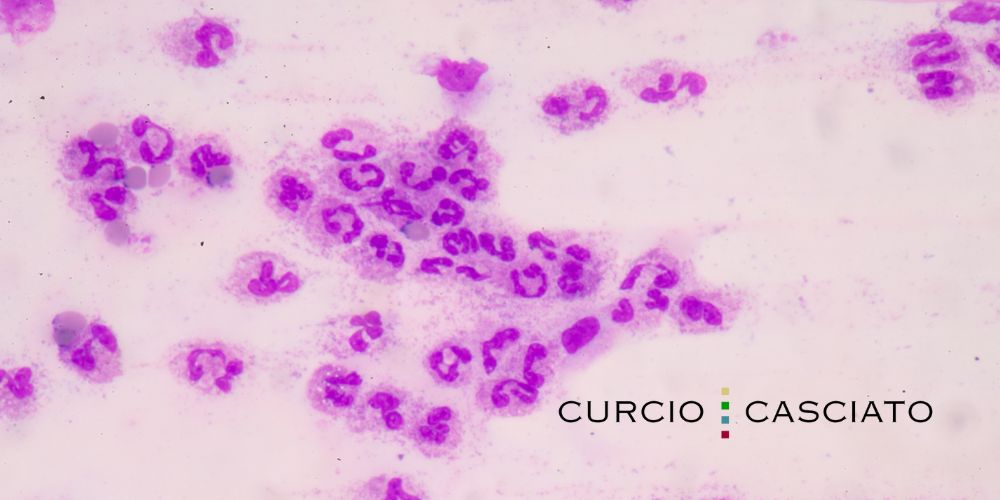
If your loved one is unwell and you suspect sepsis, have them seek immediate medical care. Sepsis injuries can worsen quickly without fast action. Early signs include fever, chills, or abnormally low body temperature. Look out for rapid heart rate and rapid breathing. Confusion, disorientation, or altered mental status may indicate sepsis. A drop in blood pressure and dizziness can also indicate sepsis.
Severe Sepsis and Septic Shock Symptoms
Severe sepsis and septic shock require immediate medical attention. Symptoms include skin mottling or discoloration and extreme weakness with difficulty waking. Residents may produce little or no urine. Organ failure and loss of consciousness can occur as the condition worsens. Infections may stem from surgical wounds, contaminated equipment, or unsanitary wound care.
Does Sepsis Cause Low Blood Pressure?
Yes. Sepsis often causes dangerously low blood pressure. This occurs due to widespread inflammation. Low blood pressure can lead to organ failure if untreated.
Signs of Sepsis From C. Diff
Severe cases of C. diff can easily lead to sepsis. Elderly residents who contract C. diff may experience frequent watery diarrhea, severe abdominal pain or cramping, or swelling/distended abdomens. High fevers of over 101°F, blood in stool, nausea, and loss of appetite are also common C. diff symptoms.
There are signs that a C. diff infection has turned into sepsis:
- High fever or extremely low body temperature
- Rapid heart rate, also known as tachycardia
- Rapid breathing or shortness of breath
- Weakness and fatigue
- Clammy or sweaty skin
- Altered mental state
- Low blood pressure
- Decreased urine output
C. diff-related sepsis is a medical emergency that requires immediate medical care.
Does Sepsis Cause Diarrhea?
Yes, sepsis can cause diarrhea and changes in your bowel movements. This may indicate that the underlying medical condition causing sepsis is a gut-related issue, such as C. diff.
Sepsis Protocol for Nursing Homes in Illinois
Gabby’s Law in Illinois was enacted to reduce sepsis infections. This law requires hospitals to implement screening protocols and train staff to recognize and treat sepsis early. Nursing homes comply with federal and state infection-control laws, focusing on early recognition of sepsis signs. Failure to properly monitor residents and provide timely sepsis treatment can result in regulatory penalties, loss of licensure, and civil liability.
Sepsis protocols typically involve thorough staff training. Nursing home staff must learn how to recognize early symptoms, monitor vital signs, and assess organ function. When they notice an infection, staff must promptly notify physicians and ensure timely treatment or hospital transfer. Additionally, nursing homes are required to implement infection prevention practices to avoid unnecessary harm.
How is Sepsis Diagnosed? CMS Sepsis Criteria and Illinois Department of Public Health Requirements
Healthcare providers use a wide range of tests to diagnose sepsis, including blood tests, urine tests, and imaging tests. According to the Centers for Medicare & Medicaid Services (CMS), a sepsis diagnosis requires having a source of infection plus two or more systemic inflammatory response syndrome (SIRS) criteria. These criteria include abnormal temperature, fast heart rate (>90), rapid breathing (>20), and abnormal white blood cell count. CMS defines severe sepsis as sepsis with organ dysfunction and septic shock as severe sepsis with persistent low blood pressure despite treatment. The Illinois Department of Public Health (IDPH) generally follows CMS standards for sepsis diagnosis. Failure to diagnose and treat sepsis can result in penalties and legal liability.
Can You Sue a Nursing Home for Sepsis in Illinois?
Yes, you can sue a nursing home in Illinois if sepsis resulted from negligence or substandard care. Families may pursue legal action when a facility fails to meet its duty to provide safe, competent medical care.
What is Considered Medical Malpractice: Sepsis Infection in a Chicago Nursing Home
Medical malpractice occurs when medical professionals and facilities provide substandard care that results in harm. This includes cases in which sepsis develops due to a lack of proper care in nursing homes. If a medical professional failed to take care of your elderly loved one, our Chicago medical malpractice attorneys can help you seek compensation for their losses.
Failure to Monitor High-Risk Nursing Home Residents or Treat Infections
Nursing home residents with wounds, catheters, or weakened immune systems are at higher risk of infection. When medical professionals responsible for elderly patient care fail to monitor symptoms or treat infections promptly, they bear legal liability for the resulting harm.
Failure to Prevent Infection: Negligent Infection Control and Sanitation Issues
Proper infection control is critical in nursing homes to protect residents. When facilities fail to maintain a sterile environment, harmful bacteria can spread. Nursing homes can be held accountable when sanitation failures lead to severe infections and sepsis.
Delayed Hospital Transfers For Nursing Home Residents With Serious Infections
Sepsis requires immediate treatment with intravenous antibiotics, oxygen support, and fluids. Any delay in treating this life-threatening medical condition can become fatal. Elderly residents and their families can hold nursing home staff responsible for delayed hospital transfers, diagnosis, and treatment.
Inspection Reports for Cook County Nursing Home Sepsis Violations
Inspection reports can reveal safety issues linked to sepsis in Cook County nursing homes. Families can review violations on the Illinois Nursing Home Report Card website. These reports may show infection control failures or delayed care. Medicare Care Compare facility ratings also help families compare nursing home quality and past problems.
Compensation for Chicago Nursing Home Sepsis Victims
Nursing home residents who develop sepsis may be entitled to compensation for both economic and non-economic damages. Our experienced sepsis attorneys help gather evidence, prove negligence, and pursue fair financial recovery for victims and their loved ones.
Financial Compensation for Elderly Patients Who Suffered Sepsis in Nursing Homes
Compensation for nursing home neglect covers medical expenses and other financial losses. Residents may receive compensation for medical costs related to medical treatment and recovery, as well as nursing home-related costs. Courts can also award damages for pain and suffering, emotional distress, mental anguish, diminished quality of life, and much more.
Wrongful Death Claims for Nursing Home Residents Who Died Due to Sepsis
Families may pursue a wrongful death claim when nursing home abuse or neglect leads to a resident’s death. Curcio & Casciato’s Chicago wrongful death attorneys provide critical support to those who have lost loved ones due to sepsis. Wrongful death compensation can cover funeral costs, loss of companionship, and loss of support.
How a Chicago Sepsis and Septic Shock Lawyer Can Help Families of Nursing Home Residents
Our experienced sepsis lawyers help families fight for justice after elderly residents suffer preventable harm due to nursing home negligence. We review medical records, investigate care failures, and hold staff accountable. By building personalized cases suited to your unique situation, we strive to recover medical bills and other damages on your behalf.
How Healthcare Providers in Nursing Homes Blame Sepsis on Pre-Existing Conditions
Nursing homes often blame sepsis on pre-existing or chronic medical conditions that occurred due to no fault of their own. However, medical teams are still responsible for recognizing and treating sepsis properly. Missed symptoms and delayed treatment can cost lives. When nursing homes attempt to avoid blame, we gather evidence to prove fault.
Filing a Nursing Home Sepsis Lawsuit in Illinois
Residents have the right to timely medical assistance. When nursing homes fail in their duty of care, we help families file lawsuits seeking justice and compensation. Our local experience and legal knowledge allow us to provide reliable guidance throughout the legal process.
Proving the Nursing Home Caused or Failed to Prevent Sepsis
Proving a nursing home caused or failed to prevent sepsis requires strong evidence. Our skilled Chicago sepsis attorneys obtain medical records, vital sign logs, and nursing notes to support your case. These documents can show missed symptoms, delays, or ignored changes. Witness testimony from medical experts helps explain the causation of sepsis and the applicable standard of care. Staffing records are reviewed to determine whether residents received sufficient attention. IDPH inspection reports can reveal past violations and ongoing safety problems.
Illinois Statute of Limitations for Nursing Home Neglect Claims
Illinois law limits the time to file a nursing home neglect claim. In most cases, the deadline is two years. The clock usually starts when the injury happens or should have been discovered. Waiting too long can end the case before it begins. Acting quickly helps protect legal rights and evidence.

Schedule a Free Consultation with a Chicago Nursing Home Sepsis Attorney
Sepsis can become life-threatening if it is not addressed quickly. Families deserve answers and accountability when proper care is delayed or ignored. If a local nursing home has failed to diagnose sepsis, treated it improperly, or failed to provide care at all, don’t wait to seek legal help. Take action now and schedule a free consultation with a Chicago nursing home sepsis attorney. At Curcio & Casciato, our team has a Legacy of Compassion, Reputation of Excellence. Call us at (312) 321-1111 or complete our online contact form.